English
  中文
中文  日本語
日本語  한국어
한국어  français
  Español
  русский
  português
  العربية
  tiếng việt
  Türkçe
More Than Silicones
Your Reliable Partner for Silane Coupling Agents, Specialty Silanes, Siloxanes and Custom Products.
More Than Silicones
Your Reliable Partner for Silane Coupling Agents, Specialty Silanes, Siloxanes and Custom Products.You are in our Global Site
 Introduction to the Use of Fluoro SilaneKH-1331
08 20,2019
Fluoro silaneKH-1331 is a silane containing fluoroalkyl functional groups. It has the advantages of high heat resistance, high chemical stability, and low surface free energy. It has excellent UV resi...
Introduction to the Use of Fluoro SilaneKH-1331
08 20,2019
Fluoro silaneKH-1331 is a silane containing fluoroalkyl functional groups. It has the advantages of high heat resistance, high chemical stability, and low surface free energy. It has excellent UV resi...
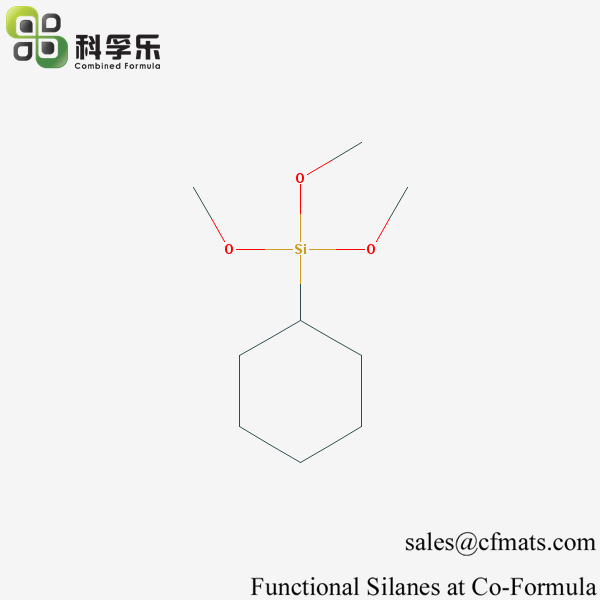 Cyclohexyltrimethoxysilane
CFS-542 Cyclohexyltrimethoxysilane Cas No.17865-54-2.CFS-542 Cyclohexyltrimethoxysilane with Cas No.17865-54-2 is a colorless to almost colorless clear liquid,which is mainly used as a raw material i...
KH-78 Mercapto Silanes Features and Applications
08 25,2019
Purpose:1.KH-78 Mercapto Silanes is mainly used in unsaturated polyester composites. It can improve the mechanical properties, electrical properties and light transmission properties of the composites...
Cyclohexyltrimethoxysilane
CFS-542 Cyclohexyltrimethoxysilane Cas No.17865-54-2.CFS-542 Cyclohexyltrimethoxysilane with Cas No.17865-54-2 is a colorless to almost colorless clear liquid,which is mainly used as a raw material i...
KH-78 Mercapto Silanes Features and Applications
08 25,2019
Purpose:1.KH-78 Mercapto Silanes is mainly used in unsaturated polyester composites. It can improve the mechanical properties, electrical properties and light transmission properties of the composites...
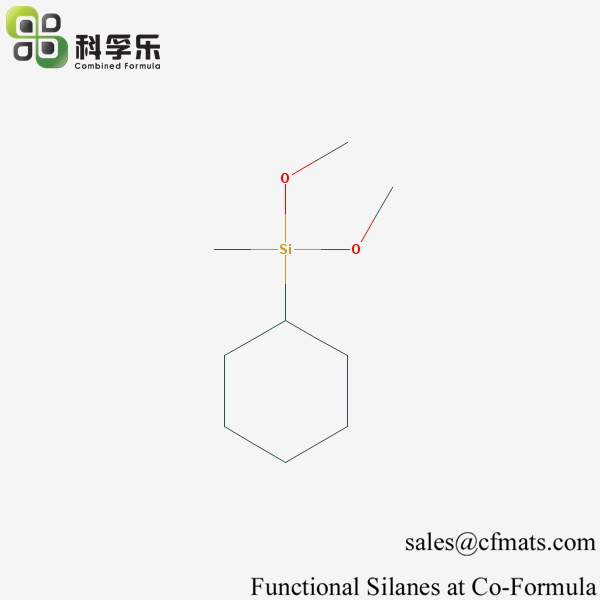 Cyclohexylmethyldimethoxysilane
CFS-326, Cyclohexylmethyldimethoxysilane is an alkyl silane which mainly acts as high efficiency, non-toxic additive for catalyst in propylene polymerization process. It is abbreviated as CMMS and kno...
Introduce the Characteristics and Uses of KH-1770 Epoxy Silane and KH-1771 Epoxy Silane and KH-561 Epoxy Silane
08 30,2019
KH-1771/KH-1770 epoxy silane uses:KH-1771/KH-1770 epoxy silane belongs to alicyclic epoxy silane and can be used for:1.Modification of engineering plastics such as nylon and PBT by fibrillation and fi...
Cyclohexylmethyldimethoxysilane
CFS-326, Cyclohexylmethyldimethoxysilane is an alkyl silane which mainly acts as high efficiency, non-toxic additive for catalyst in propylene polymerization process. It is abbreviated as CMMS and kno...
Introduce the Characteristics and Uses of KH-1770 Epoxy Silane and KH-1771 Epoxy Silane and KH-561 Epoxy Silane
08 30,2019
KH-1771/KH-1770 epoxy silane uses:KH-1771/KH-1770 epoxy silane belongs to alicyclic epoxy silane and can be used for:1.Modification of engineering plastics such as nylon and PBT by fibrillation and fi...
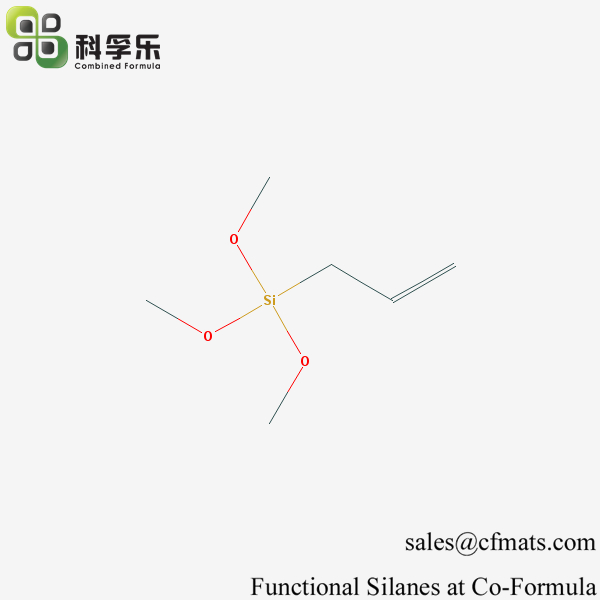 Allytrimethoxysilane
CFS-839, Allytrimethoxysilane is a coupling agent and allylation reagent with excellent functionality. It is mainly used for chemicals synthesis and the modification of special rubber products.
Characterization and Application of Gamma-glycidyl Ether Oxypropyl Trimethoxysilane (KH-560 epoxy silane)
09 04,2019
Applications:Plastic products, rubber products, coatings, inks, composites, magnetic materials, adhesives, foundry, synthetic amino silicone oil, etc.Application object:1.Resins: phenolic, urea-formal...
Allytrimethoxysilane
CFS-839, Allytrimethoxysilane is a coupling agent and allylation reagent with excellent functionality. It is mainly used for chemicals synthesis and the modification of special rubber products.
Characterization and Application of Gamma-glycidyl Ether Oxypropyl Trimethoxysilane (KH-560 epoxy silane)
09 04,2019
Applications:Plastic products, rubber products, coatings, inks, composites, magnetic materials, adhesives, foundry, synthetic amino silicone oil, etc.Application object:1.Resins: phenolic, urea-formal...
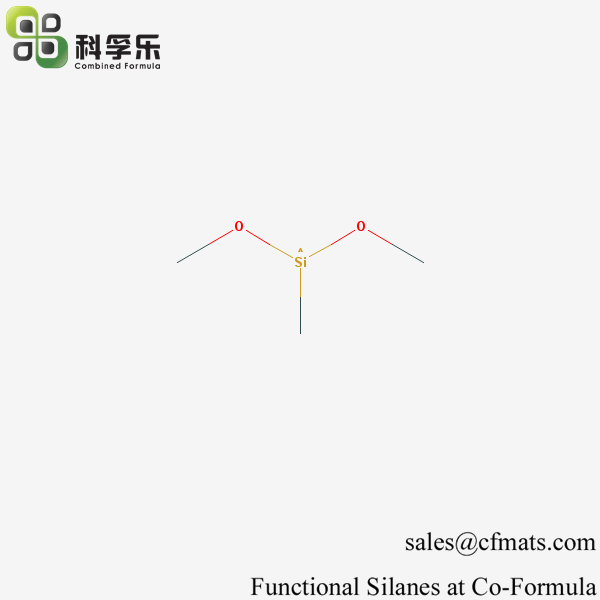 Methyldimethoxysilane
CFS-779 Methyldimethoxysilane or Dimethoxymethylsilane is an alkyl & alkoxy silane containing hydrogen in its molecule. It is also called methylhydrogendimethoxysilane. CFS-779 is mainly used as a...
Introduction Of Gamma-Methacryloxypropyl Trimethoxysilane
09 09,2019
Applications of Methacryloxy Silane KH-570:Plastic products, rubber products, coatings, inks, composites, magnetic materials, adhesives, foundry, synthetic amino silicone oil, etc.Methacryloxy SilaneK...
Methyldimethoxysilane
CFS-779 Methyldimethoxysilane or Dimethoxymethylsilane is an alkyl & alkoxy silane containing hydrogen in its molecule. It is also called methylhydrogendimethoxysilane. CFS-779 is mainly used as a...
Introduction Of Gamma-Methacryloxypropyl Trimethoxysilane
09 09,2019
Applications of Methacryloxy Silane KH-570:Plastic products, rubber products, coatings, inks, composites, magnetic materials, adhesives, foundry, synthetic amino silicone oil, etc.Methacryloxy SilaneK...
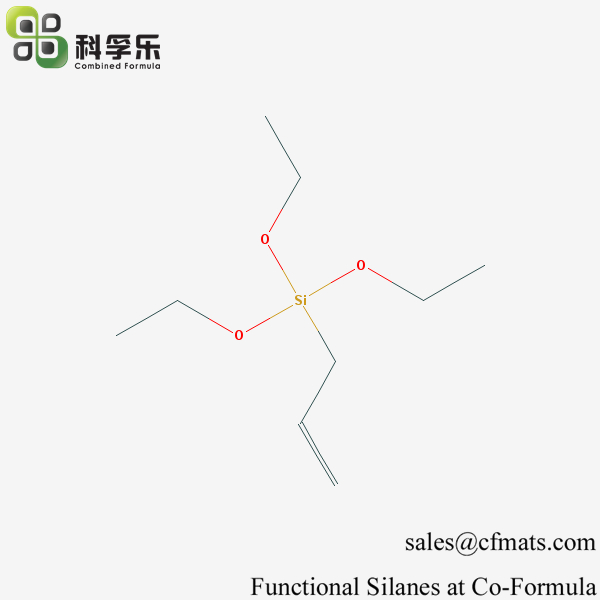 Allytriethoxysilane
CFS-041, Allytriethoxysilane is a silane coupling agent with excellent functionality. It is mainly used for the modification of special rubber products.
Allytriethoxysilane
CFS-041, Allytriethoxysilane is a silane coupling agent with excellent functionality. It is mainly used for the modification of special rubber products.

Address:
Wuhan Economic and Technological Development Zone, Hubei
Email:
sales@cfmats.com
Mobile:
+86-27-8445-9282 English
  中文
中文  日本語
日本語  한국어
한국어  français
  Español
  русский
  português
  العربية
  tiếng việt
  Türkçe